The transition to retirement, or its approach starting at age 60, reshapes daily organization. Fully enjoying life after 60 means combining physical activities, cognitive stimulation, and tailored services, taking into account recent regulatory changes that modify access to these provisions.
Progressive retirement from age 60: an underutilized lever for managing the transition
Since September 1, 2025, progressive retirement is accessible from age 60. This scheme allows individuals to reduce their working hours while receiving a portion of their retirement pension. For senior workers, it represents a concrete shift: freeing up time without a sudden loss of income.
We observe that this development remains little known to the general public. However, it changes the game for those who wish to engage in regular activities (associative, sports, cultural) without waiting for the legal age of definitive departure. Progressive retirement transforms the last years of professional activity into a phase of active transition.
Some platforms list resources and activities designed for this age group, as can be seen on https://www.le-club-des-seniors.com/, which structures its offerings around leisure, social connections, and services dedicated to those over 60.
Adapted physical activity after 60: the funding issue
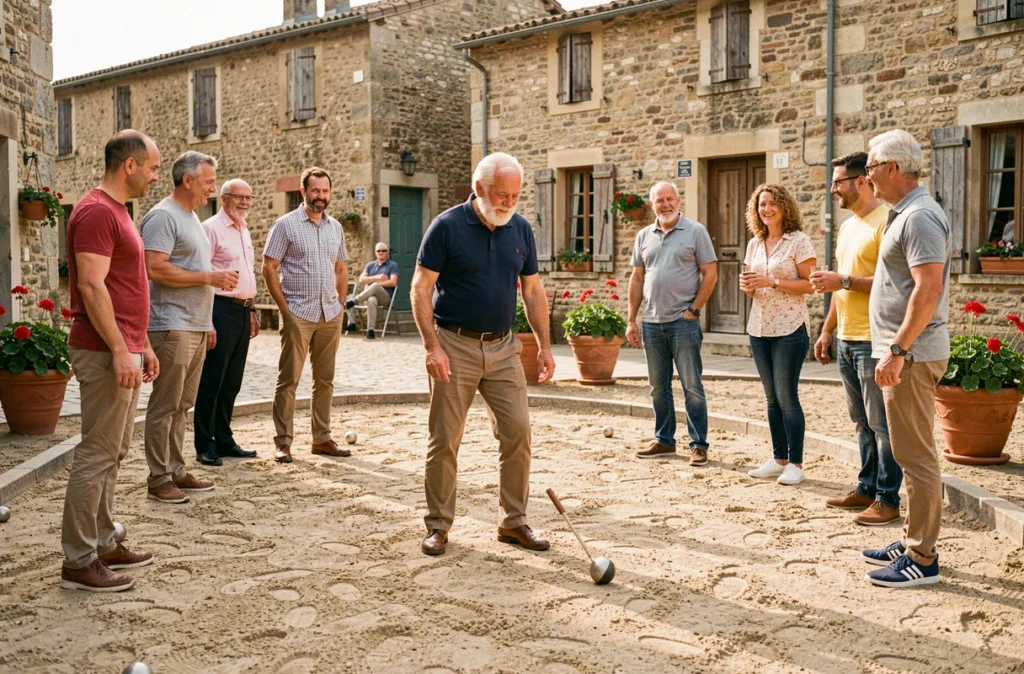
Adapted physical activity (APA) can be prescribed by a doctor as part of sports on prescription. In practice, there is currently no automatic national reimbursement by Health Insurance. Funding relies on a hybrid model, fragmented between pension funds, complementary health insurance, and local government subsidies.
This friction point is central for seniors with modest incomes. Depending on the municipality or department of residence, coverage varies from nothing to full support. We recommend contacting your pension fund and health insurance directly to learn about local provisions before committing to a program.
What types of physical activities to prioritize
Low-impact activities remain the most suitable beyond age 60. They preserve muscle mass and balance without overloading the joints.
- Nordic walking engages the entire body with the use of poles, providing moderate cardiovascular exercise with a very low risk of injury.
- Aquagym and swimming reduce mechanical stress on the joints while strengthening the deep musculature.
- Tai chi and yoga improve flexibility, balance, and proprioception, three parameters that decline rapidly after 60 without regular training.
- Cycling (including electric-assisted) helps maintain endurance with adjustable effort according to physical condition.
Thirty minutes of daily physical activity is the recommended threshold. Daily activities (gardening, cleaning, stairs) count towards this total.
“Aging Well” Law and new quality indicators in residences
The “Aging Well” law adopted in 2024 introduced strengthened obligations regarding prevention and transparency in establishments housing seniors. Implementation texts published in 2026 specify new quality indicators that residences must now display.
For seniors considering a service residence or collective accommodation, these indicators provide an objective comparison tool. They cover the quality of support, access to activities offered on-site, and daily living conditions. Before making any decision, checking these indicators directly with the establishment or through institutional platforms remains the most reliable approach.
Cognitive stimulation and social connection: two pillars that should not be separated
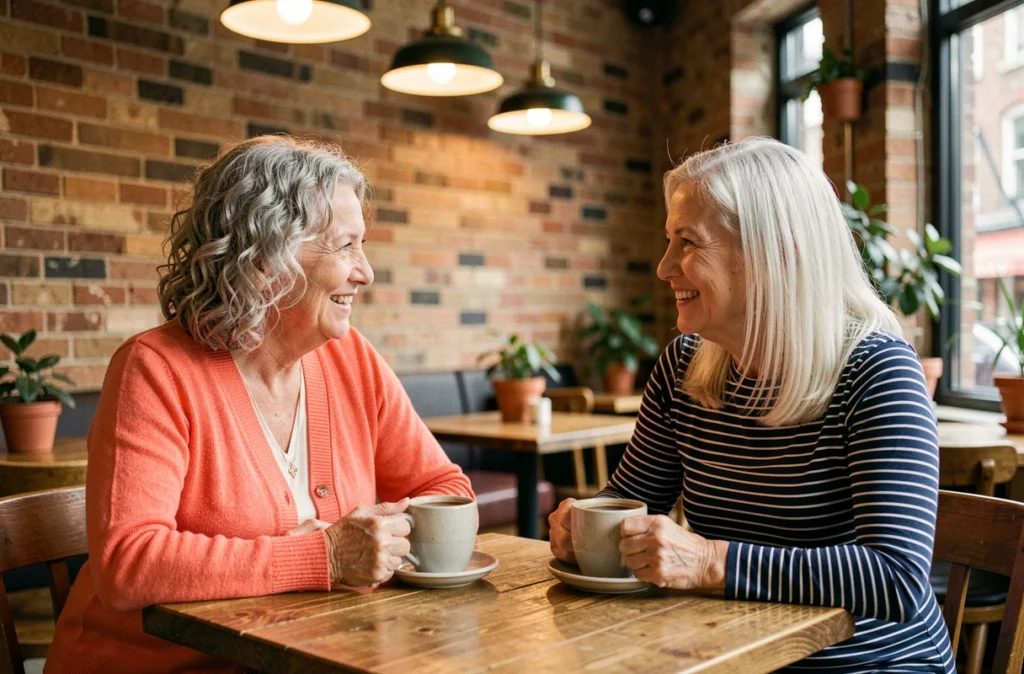
Popular articles often treat memory on one side and social life on the other. In practice, collective activities with cognitive dimensions produce the best results on both fronts simultaneously.
Shared reading in groups (book clubs, writing workshops) engages working memory while maintaining regular exchanges. Strategic board games (bridge, chess, competitive scrabble) combine logical reasoning and structured social interaction.
Volunteering as a cognitive activity in its own right
We recommend considering volunteering not just from the perspective of social utility but as a cognitive stimulation activity. Organizing a community event, managing a schedule, training new volunteers: these tasks consistently engage executive functions (planning, mental flexibility, inhibition).
Local associations, municipal social centers, and neighborhood support networks offer a wide variety of missions. Choosing a commitment that involves coordination rather than simple execution increases cognitive benefits.
Passions and new practices: what changes after 60
Retirement opens up a time-space that many underestimate. Beyond traditional leisure, several practices are gaining ground among seniors:
- Digital photography, accessible with a smartphone, combines walking, technical learning, and sharing online or in clubs.
- Online courses (open universities, MOOCs) allow exploration of new disciplines without travel constraints.
- Community gardening in shared spaces creates local connections while providing gentle and regular physical activity.
The key lies in regularity. An activity practiced two to three times a week produces measurable effects on physical and mental health. A sporadic activity, even enjoyable, does not offer the same grounding.
The choice of activities after 60 is not limited to a list of hobbies. It involves questions of funding, regulatory framework, and personal organization. Combining physical activity, cognitive stimulation, and social connection in the same practice remains the most effective strategy for maintaining autonomy and enjoyment of life over time.