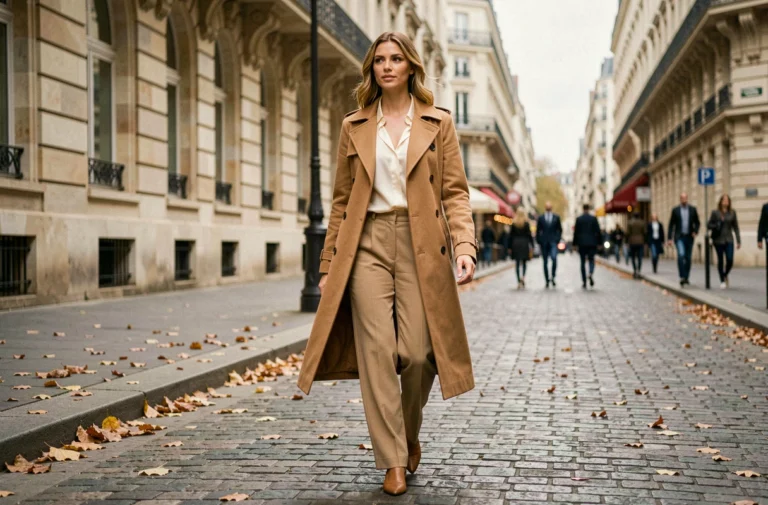
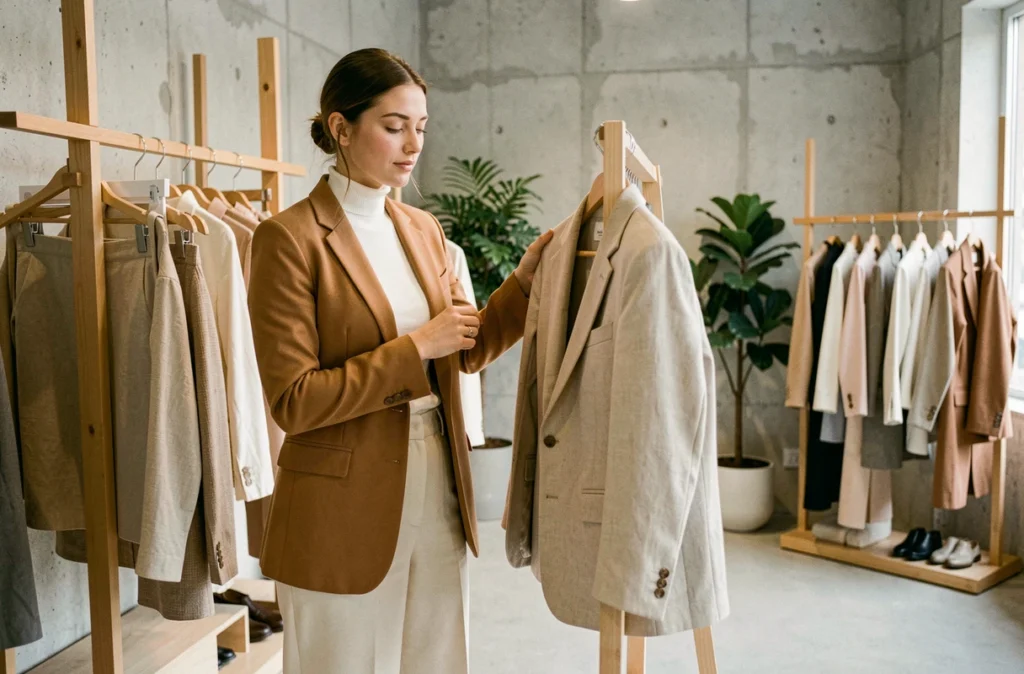
Fashion trends are the dominant style directions for a given season, shaped by runway shows, professional buyers’ choices and consumer habits. Keeping up with these trends doesn’t mean buying everything: it means identifying the pieces and colors that fit into your existing wardrobe and update it without replacing it.
Textile repairs and garment longevity: the habit that transforms your wardrobe
Before discussing new trends, one point is worth making: extending a garment’s lifespan can change your style just as much as buying something new. Darning a pair of jeans, replacing a lining or adjusting a blazer’s shoulders can turn a tired piece into a garment that fits just right.
The Repair Culture in Fashion report, produced by Create Sustain, Klarna and Save Your Wardrobe, highlights a notable gap: interest in repairs is growing in France, the UK and Italy, but most consumers either repair items themselves or take them to a local alterations specialist rather than using the brand’s after-sales service. Neighborhood alteration shops remain the most popular option.
In practice, having a coat from a previous season altered to suit today’s silhouette (sharper shoulders, shorter length) costs less than buying a new one and delivers a tailored result. This approach lets you keep quality pieces while following the latest news from Cœur 2 Mode to identify the cuts and finishes worth adapting.

Fall-winter color trends: combinations to know
Seasonal palettes influence purchases far more than silhouettes. Each season, a few color combinations take over the runways before making their way into more affordable collections.
For fall-winter, combinations seen in recent shows move away from head-to-toe monochrome. Instead, they play with subtle contrasts, pairing a muted shade with a brighter accent. You don’t need to replace your entire wardrobe to wear these combinations: an accessory or top in the right shade is enough to bring an outfit into the season.
Three ways to work a trending color into your outfit
- Keep the color accent to one visible piece (a sweater, scarf or bag) and wear the rest of the outfit in neutral shades you already own.
- Try the color on an inexpensive accessory before investing in a coat or suit: a pair of gloves or a beanie lets you check whether the shade suits your complexion and lifestyle.
- Choose matte fabrics for saturated colors and slightly lustrous fabrics for muted tones to balance the overall visual impact.
A trending color in the wrong place dates faster than a classic color worn well. The choice of fabric, cut and finish matters just as much as the shade itself.
France’s anti-ultra-fast-fashion law: what it means for everyday style
French legislation is gradually increasing extended producer responsibility (EPR) penalties for retailers that refresh their collections at an extreme pace, with product ranges exceeding certain thresholds.
For consumers, this regulation has a practical effect: prices listed by some online platforms could rise, making the gap with mid-range brands less striking. That’s another reason to invest in durable pieces rather than micro-trends that change every week.
Meanwhile, the Textile Eco-Score, introduced on a voluntary basis, is still rarely seen in stores. UFC-Que Choisir reports that few brands have declared it for their products and few consumers say they have noticed it. Textile environmental labeling is not yet a reliable guide for building a wardrobe, but its introduction is gradually encouraging retailers to document their supply chains.
Everyday seasonal style: build outfits around key pieces
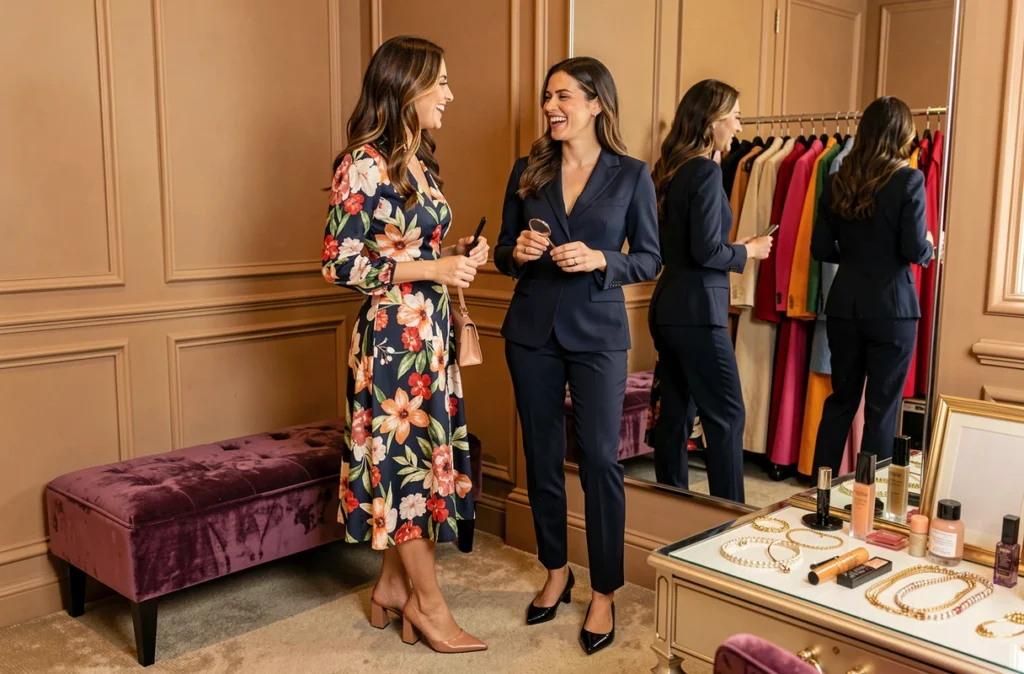
Refreshing your style doesn’t mean accumulating more clothes. The most effective approach is to identify two or three key pieces for each season: garments distinctive enough to change the look of an outfit, yet versatile enough to pair with the rest of your wardrobe.
A knit dress worn on its own in spring becomes a mid-layer under a trench coat in fall. Wide-leg wool trousers, a major trend in recent seasons, work just as well with ankle boots as with flat loafers. A key piece is one that can create several distinct looks without needing anything else.
How to spot a key piece in-store or online
Before buying, picture three different outfits featuring the garment you’re considering and pieces you already own. If you can only come up with two, it’s too specific. If you can think of four or more, it may be too basic to bring anything new to your wardrobe.
Cut matters more than pattern. A blazer with defined shoulders in a neutral color will work for several seasons. The same blazer in a very dated print will lose its appeal within months. Choosing structure over decoration extends a garment’s style lifespan.
The secondhand market, which has grown significantly in France in recent years, offers access to designer pieces at reduced prices. It’s an especially good way to try out a silhouette or fabric without a major financial commitment before deciding whether it deserves a lasting place in your wardrobe.