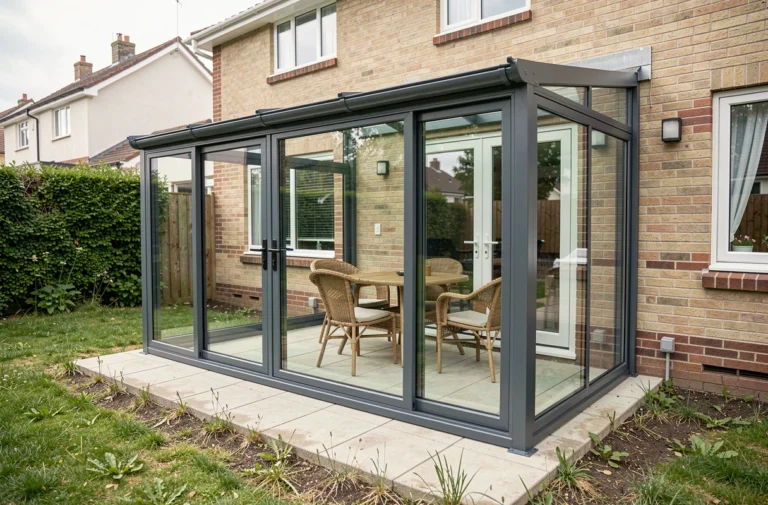

Decorating an interior does not start with choosing a wall color or a style of sofa. The first filter, which prevents unnecessary purchases and quick clutter, remains the function of each object in the room.
Recent guides converge on one point: the equipment that structures daily life (storage, lighting, functional furniture) takes precedence over purely decorative elements. This logic, summarized by the phrase “function first, decoration second,” changes the way we think about arranging a living room, a bedroom, or an entryway.
Indoor Lighting: A Decoration Equipment in Its Own Right
Most articles on decoration treat lighting as an accessory, a detail added after choosing the sofa and coffee table. Field reports show the opposite: lighting conditions the perception of everything else. A well-chosen piece of furniture appears dull under a poorly positioned single ceiling light. The same piece of furniture gains dimension with an accent lamp placed beside it.
The recommended approach relies on three distinct layers. General lighting ensures visibility in the room. Accent lighting (reading lamp, adjustable floor lamp) creates comfort zones. Decorative lighting (string lights, LED candles, light strips) adds depth without cluttering the floor space.
This layering works particularly well in small living rooms where a single light source flattens the volumes. By multiplying sources at different heights, one creates the impression of a larger space. The choice of each piece available on Deco Asaiss can also guide this strategy based on the room’s configuration.
Multifunctional Furniture for Small Spaces: A Game Changer
In a modestly sized apartment, every piece of furniture must justify its presence. An accent chair that is only used twice a month takes up floor space for marginal use. In contrast, a convertible piece of furniture serves two roles without doubling the clutter.
The solutions that frequently appear in recent recommendations deserve to be listed:
- Coffee tables with integrated storage, which hold remote controls, magazines, and cables without adding extra furniture.
- Wall shelves and vertical brackets, which utilize wall height rather than floor space, freeing up circulation area.
- Entryway benches with storage, which combine seating, shoe storage, and the first visual anchor point when entering the home.
The classic trap is to buy a “beautiful but passive” decorative object, an imposing vase or a purely stylish side table, before addressing storage issues. Visual clutter harms decoration more than the absence of decorative objects.
Choosing Colors and Materials: Hierarchy Errors
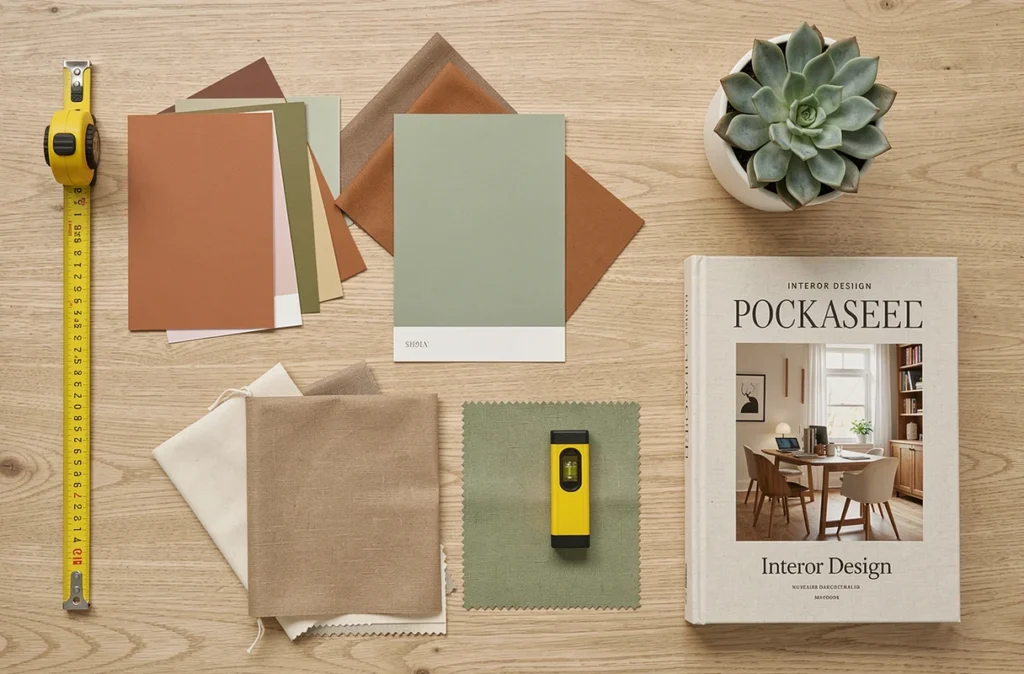
The color of the walls is among the first choices, but not for the reason one might think. It does not primarily serve to “give character.” It acts as a neutral or structuring background against which furniture and textiles will stand out. Choosing a terracotta wall before defining the style of the sofa or the color of the floor is akin to painting a frame before knowing the picture.
Field reports diverge on this point: some decorators recommend starting with textiles (curtains, cushions, linens) to define the palette, while others start from the floor. What is agreed upon, however, is the rule for distributing colors in a room:
- A dominant shade that covers most surfaces (walls, floor), usually neutral or lightly saturated.
- A secondary color carried by the main furniture (sofa, TV unit, bookshelf).
- An accent color limited to decorative objects, cushions, and small elements, easy to change with the seasons.
Limiting accents to one or two tones avoids the cluttered effect that appears when too many colors compete for attention in the same space.

Progressive Decoration: Live in the Room Before Equipping It
A fundamental trend is changing the way we approach decorative equipment: not buying everything at once. Several recent guides recommend living in each room for a few weeks before finalizing choices. The reason is simple: actual use reveals needs that the paper plan does not show.
A corner of the living room that seemed ideal for a reading chair turns out to be too dark in the afternoon. The space behind the front door, overlooked in the plan, becomes the only logical place for a coat rack. These adjustments are only possible if one resists the urge to furnish all rooms on moving day.
This progressive approach has another advantage: it reduces impulsive purchases. A decorative object spotted in a store or online often loses its appeal when confronted with the actual space. The gap between the mood photo and the rendering in one’s own living room explains a significant portion of returns and resales in the second-hand market.
Textiles and Living Room Accessories: The Final Level of Equipment
Textiles come at the end of the process, not due to a lack of importance, but because they depend on everything that precedes them. A throw placed on a sofa whose color has been chosen in harmony with the wall and floor will work. The same throw bought first, without reference to the rest, is likely to clash.
The textile elements that truly contribute to the decoration of a living room are few: cushions, curtains, rugs. A well-sized rug visually structures the living space better than a piece of furniture. It delineates the living area, absorbs sound, and adds warmth without taking up vertical space.
Mirrors complete this final layer. Positioned facing a source of natural light, they amplify brightness and create a sense of depth. In a narrow room, a large mirror leaning against a wall does more than any decorative object placed on a shelf.
The successful decoration of an interior relies less on the number of objects than on the order in which they are chosen. Lighting, functional furniture, color palette, textiles: each layer builds on the previous one. Skipping a step or reversing the sequence almost always results in an outcome that “does not work,” without knowing why.